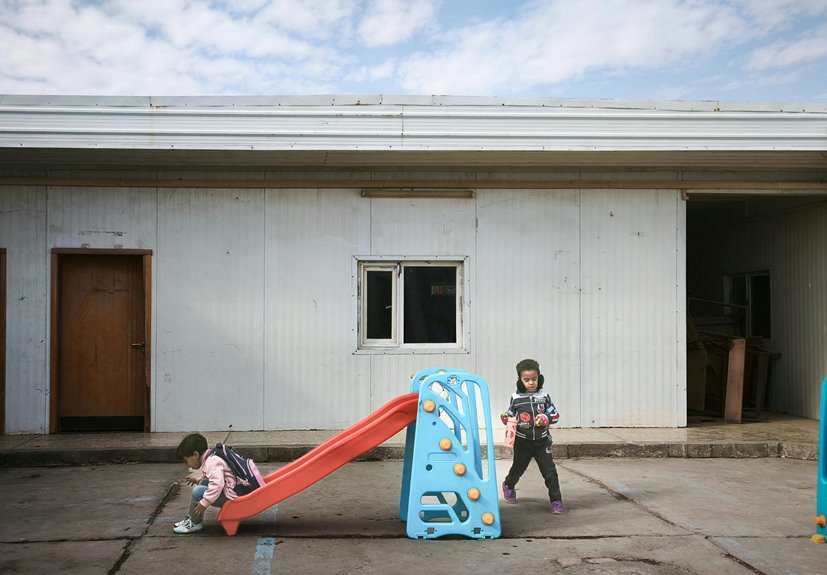
Consider how a child in a rural village often lacks access to quality early education, which can hinder their development. Article 45 of the Indian Constitution addresses this critical gap by mandating pre-primary education for all children. This provision aims for educational equity, yet it faces significant challenges like funding issues and regional disparities. Understanding these complexities is essential for grasping the full implications of this constitutional mandate. What steps can be taken to overcome these barriers?
Historical Context of Article 45
While the significance of Article 45 in early childhood education may not be immediately apparent, its historical context reveals a critical evolution in educational rights.
This article emerged from extensive educational reforms aimed at ensuring every child’s right to education.
Key Provisions and Objectives
As the foundation for equitable access to education, Article 45 outlines several key provisions and objectives that directly impact early childhood education.
It addresses accessibility issues by mandating the provision of pre-primary education and ensuring funding sources are allocated effectively.
Impact on Early Education Policies
Recognizing the significance of Article 45, policymakers have begun to reassess and reshape early education strategies to align with its provisions.
By prioritizing early intervention, they aim to foster educational equity, ensuring every child has access to quality learning experiences.
This shift not only addresses disparities but also empowers communities, creating a more inclusive educational landscape that nurtures young minds effectively.
Challenges and Opportunities for Implementation
Implementing early childhood education policies based on Article 45 presents both challenges and opportunities that demand careful consideration.
You’ll face funding issues that strain resources and limit access. Concurrently, effective teacher training is critical for delivering quality education.
Conclusion
In conclusion, Article 45 of the Indian Constitution is a critical framework for ensuring early childhood education for all children, fostering both access and equity. While you might think funding limitations hinder progress, innovative community partnerships and government initiatives are paving the way for improvement. By prioritizing early learning, we’re not just investing in children’s futures; we’re also strengthening society as a whole. Embracing this right can truly transform educational landscapes for generations to come.