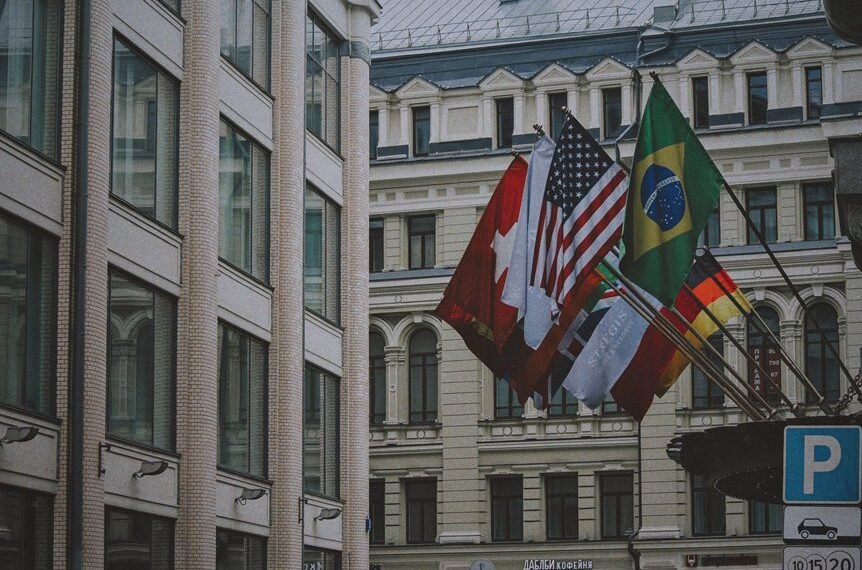
Multinational trade plays a pivotal role in shaping global markets. It fosters economic interdependence and provides access to a wider array of resources. This interconnectedness can enhance competition and spur innovation, benefiting consumers. However, the complexities of varying regulations and cultural differences pose significant challenges. Understanding these dynamics is essential for navigating the future of trade. How will policymakers adapt to ensure sustainable growth amid these evolving complexities?
The Evolution of Multinational Trade
As globalization accelerated in the late 20th century, the landscape of multinational trade underwent significant transformation.
Historical milestones, such as the establishment of the World Trade Organization in 1995, paved the way for comprehensive trade agreements that facilitated cross-border commerce.
These agreements fostered greater economic interdependence, reshaping how nations engage in trade, ultimately enhancing the dynamics of global markets.
Economic Benefits of Global Trade
While many nations have embraced global trade as a catalyst for economic growth, the benefits extend beyond mere exchange of goods and services.
Trade agreements enhance market access, allowing countries to specialize in production and increase efficiency. This interconnectedness not only fosters competition but also drives innovation, ultimately leading to lower prices for consumers and improved standards of living across participating nations.
Challenges in Multinational Trade
Despite the numerous advantages that multinational trade offers, significant challenges persist, complicating the landscape of global commerce.
Trade regulations often vary between countries, creating barriers that can hinder smooth transactions.
Additionally, cultural differences can lead to misunderstandings and misalignments in business practices, impacting negotiations and partnerships.
These factors necessitate careful navigation to optimize the benefits of engaging in multinational trade.
The Future of Global Markets and Trade Policies
The complexities of multinational trade highlight the need for adaptive and forward-thinking approaches to global markets and trade policies.
As nations embrace sustainable practices and digital transformation, future trade frameworks must integrate these elements to foster resilience and innovation.
Policymakers are tasked with creating environments that encourage collaboration, ensuring equitable access to resources while promoting economic growth and environmental stewardship on a global scale.
Conclusion
As multinational trade continues to shape the landscape of global markets, it becomes increasingly clear that the interplay of economic benefits and challenges is akin to a double-edged sword. Policymakers must navigate this complexity with foresight, crafting adaptive frameworks that not only foster growth but also promote sustainability and equity. In this evolving tapestry of global commerce, the commitment to addressing disparities and embracing innovation will ultimately determine the resilience and prosperity of future economies.