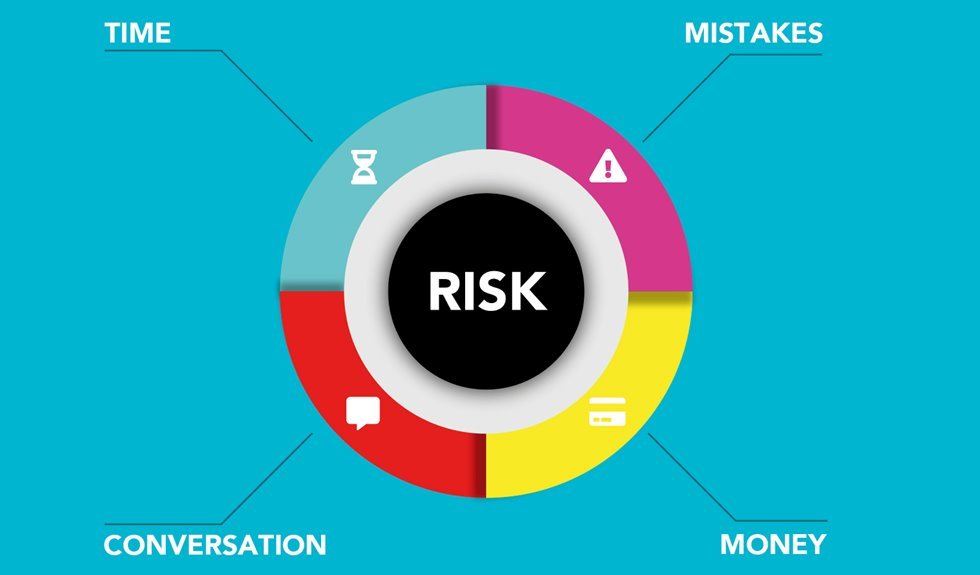
Multinational businesses encounter a complex array of risks that can significantly impact their operations and profitability. Regulatory challenges, cultural differences, and political or economic instability are just a few obstacles that require strategic management. Additionally, currency fluctuations can pose financial threats. Understanding these risks is essential for developing effective mitigation strategies. However, the path to navigating these challenges is nuanced, raising critical questions about best practices and proactive measures.
Understanding Regulatory Challenges
As multinational corporations expand into diverse markets, they often encounter a labyrinth of regulatory challenges that can significantly impact their operations.
Navigating complex legal frameworks mandates rigorous regulatory compliance efforts. Failure to adapt can result in costly penalties and hinder growth.
Strategic foresight in understanding these challenges enables firms to build robust compliance strategies, fostering operational efficiency and ensuring alignment with local regulations for sustainable success.
Navigating Cultural Differences
While expanding into new markets, multinational corporations must recognize that cultural differences can profoundly influence business interactions and operational success.
Effective navigation of these differences necessitates cultural sensitivity and an understanding of diverse communication styles.
Managing Political and Economic Risks
Recognizing the interplay between political stability and economic conditions is essential for multinational corporations seeking to thrive in diverse markets.
Effective risk assessment should encompass both local political dynamics and macroeconomic trends.
Additionally, proactive stakeholder engagement fosters relationships that can mitigate potential disruptions.
Mitigating Currency Fluctuations and Financial Risks
In an increasingly interconnected global economy, multinational corporations must implement robust strategies to mitigate currency fluctuations and associated financial risks.
Key approaches include currency hedging to lock in exchange rates and enhance predictability.
Additionally, accurate financial forecasting allows firms to anticipate market shifts, enabling proactive adjustments.
Conclusion
In conclusion, multinational businesses must deftly navigate a complex landscape fraught with risks, akin to a ship charting a course through turbulent waters. By prioritizing compliance, enhancing cultural competence, and conducting meticulous risk assessments, these entities can build resilience against regulatory challenges, cultural disparities, and economic instability. Furthermore, implementing strategic currency hedging will serve as a bulwark against financial volatility, ultimately positioning companies to thrive and achieve sustained growth in an increasingly interconnected global market.