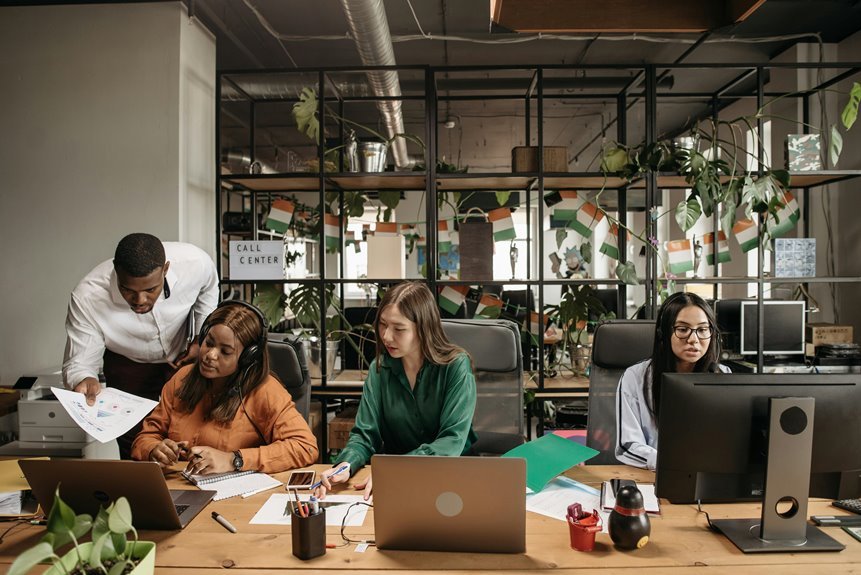
Cultural rights empower communities, educational rights foster knowledge, and together they shape a society’s identity. These constitutional rights are essential for preserving heritage and ensuring equitable access to education. Yet, the implications of these rights extend beyond individual benefits, influencing societal dynamics and opportunities for marginalized groups. Understanding their interconnectedness raises important questions about how we can cultivate a more inclusive environment. What steps can we take to ensure these rights are upheld for everyone?
Understanding Cultural Rights
Understanding cultural rights is essential because they play a crucial role in preserving the identity and heritage of diverse communities.
You recognize that cultural preservation enables individuals to express their unique identities freely.
The Importance of Educational Rights
Cultural rights and educational rights are interconnected, as both serve to empower individuals and communities.
Educational rights ensure educational access, allowing you to pursue knowledge and skills essential for personal growth. They promote equitable opportunities, fostering a society where everyone has the chance to succeed.
Upholding these rights is crucial for creating informed citizens who can contribute meaningfully to a democratic society.
Impact on Marginalized Communities
While educational rights serve as a foundation for personal and societal advancement, their absence can severely hinder marginalized communities.
You’ll find that access barriers limit opportunities, perpetuating cycles of inequality. Without these rights, community empowerment diminishes, stunting growth and development.
Addressing these gaps fosters a more equitable society, enabling individuals to break free from constraints and realize their full potential.
Promoting Diversity and Inclusion Through Rights
Promoting diversity and inclusion through rights is essential for creating a society where every individual feels valued and empowered.
By implementing inclusive practices, you foster an environment that respects cultural preservation. This not only enhances social cohesion but also allows marginalized voices to thrive.
Ultimately, embracing diversity strengthens communities, encouraging a more equitable distribution of opportunities and resources for all individuals.
Conclusion
In a world where cultural and educational rights are often touted as pillars of democracy, it’s ironic how easily they can slip through the cracks for marginalized communities. You’d think these fundamental rights would be universally upheld, yet many still struggle for recognition and access. By truly embracing these rights, society not only enriches itself but also ensures that every voice counts. Ultimately, fostering diversity and inclusion isn’t just a noble goal; it’s essential for a thriving democracy.